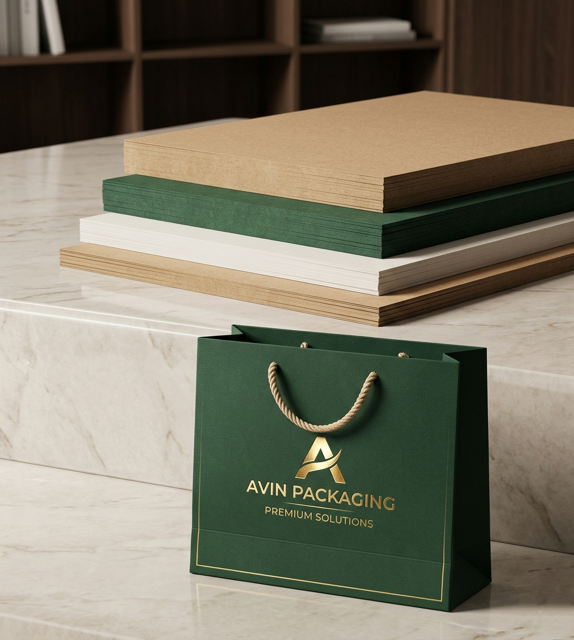
1: The Invisible Backbone of International Logistics
While consumer-facing retail packaging commands the spotlight at the retail counter, industrial-grade corrugated boxing serves as the invisible backbone of the global supply chain. Every day, millions of dollars worth of premium manufactured goods cross international oceans, completely dependent on the structural integrity of their outer transit casing. For high-volume exporters shipping from industrial hubs to major Western ports, a failure in outer packaging does not just mean a damaged box—it means compromised products, rejected shipments, and catastrophic financial losses. Selecting an engineered, heavy-duty corrugated solution is the primary insurance policy against the brutal realities of cross-border freight transit.
2: Understanding Paperboard Engineering and Structural Rigidity
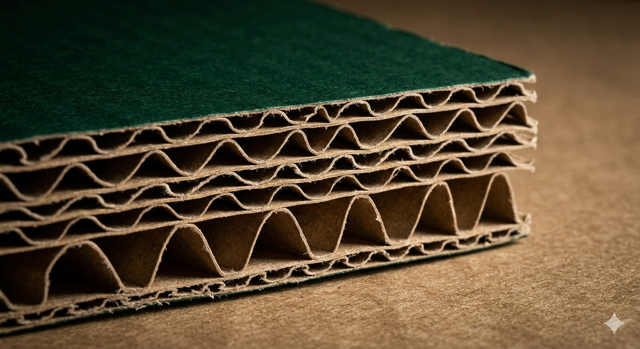
To understand why standard domestic packaging fails during international transit, one must look at the structural engineering of heavy-duty paperboard. Standard boxes rely on basic single-wall or double-wall structures that lack the structural density required for long-haul shipping. True export-grade corrugated boxes utilize multi-layered, premium kraft paperboards engineered with specialized fluting patterns to maximize vertical stacking strength. By stacking multiple layers of dense linerboard and wavy fluted mediums, the structural walls act as a high-performance shock absorber, capable of withstanding immense top-load pressures without buckling or crushing under weight.
3: The Power of Multi-Ply Industrial Architecture
In the demanding arena of ocean container shipping, the physical demands placed on cargo require advanced material specifications. Utilizing heavily reinforced, multi-ply corrugated master boxes provides an unmatched level of security against structural deformation. This specialized industrial architecture layers high-GSM paperboard sequentially, creating a thick, rigid barrier that shrugs off intense physical impacts. Whether your container is navigating bumpy overland roads or facing the rhythmic shifting of a cargo ship on the open sea, multi-ply engineering ensures the structural frame remains completely unyielding, protecting your premium goods inside throughout the entire journey.
4: Defeating the Hidden Enemies: Humidity and Ambient Compression
The physical hazards of international transit extend far beyond drops and vibrations; the hidden environmental enemies are humidity and ambient compression inside sealed ocean containers. As a shipping container travels across varying climate zones—from the hot, humid shores of India to the cooler waters of Europe or North America—it experiences severe temperature swings that cause internal condensation, often called “container rain.” Standard paper boxes absorb this moisture, instantly losing up to 50% of their stacking strength and collapsing under load. Export-grade corrugated boxes utilize moisture-resistant adhesives and high-density kraft liners specifically treated to repel ambient humidity, ensuring they remain bone-dry and structurally sound.
5: Optimizing Palletization and Maximizing Container Cube Space
Efficient export logistics require perfect spatial optimization, and custom-engineered corrugated boxes are vital to achieving this balance. When master boxes are custom-sized to match international pallet standards (such as standard EUR or US pallets), they eliminate overhang and empty air pockets within the shipping container. This precise mathematical alignment allows logistics teams to stack cargo tighter and higher, utilizing every square inch of available cube space. By preventing individual boxes from shifting or sliding mid-transit, proper palletization drastically lowers transit damage while maximizing your shipping budget.
6: Seamless International Compliance and Port Authority Clearances
Navigating international customs checks requires flawless compliance paperwork and structural materials that meet strict destination country rules. Environmental and agricultural inspectors at global ports routinely flag and impound shipments that use sub-standard, unverified transit materials. True eco-luxury packaging manufacturing ensures that all paperboard raw materials are tracked to verified, legally logged forests and are entirely free from hazardous chemical additives. Furthermore, by ensuring that all auxiliary shipping components, like wooden pallets, undergo strict heat-treatment and fumigation certifications, your cargo glides through customs checks seamlessly, preventing costly port delays.
7: Eliminating Operational Risk with Transparent Documentation
A secure B2B export operation requires absolute alignment between physical manufacturing output and flawless legal documentation. Sourcing managers need complete assurance that the weight, volume, and specifications listed on their *Commercial Invoice* and *Packing List* perfectly match the physical cargo arriving at the dock. When an industrial manufacturer handles production, packing, and precise weight calculations entirely within a single controlled factory floor, data discrepancies vanish. This operational precision gives customs brokers clean data to file import declarations effortlessly, eliminating administrative friction at the border.
8: The Singapore Advantage in Global Contract Governance
Securing an international industrial packaging contract ultimately requires absolute transactional safety and legal reliability. While physical manufacturing is anchored in robust industrial production zones, routing all corporate legal governance, escrow frameworks, and invoicing through a premier global financial hub like Singapore provides international buyers with total contractual peace of mind. Operating under the jurisdiction of Singapore Corporate Law ensures transparent banking, secure multi-currency routing, and clear international arbitration frameworks. This powerful combination of heavy-duty factory output and premium legal safety gives global enterprises the confidence to build long-term, risk-free supply partnerships.