1: The Regulatory Pressure on Modern Retail
The global retail landscape is undergoing a massive regulatory transformation as governments worldwide intensify their crackdowns on single-use plastics. From strict port-entry bans in the United Kingdom and the European Union to rapidly changing environmental compliance acts across major United States jurisdictions, carrying a plastic-dependent supply chain has become a significant corporate liability. For premium retail, cosmetics, and fashion brands, waiting out the legislation is no longer an option. Securing an immediate, scalable transition to 100% plastic-free packaging is essential to keeping international shipping corridors open and avoiding heavy port penalties.
2: Meeting Western Consumer Expectations
Beyond the pressure of government legislation, modern consumer sentiment has shifted decisively against plastic packaging. High-value shoppers in luxury hubs like London, New York, and Dubai expect the brands they patronize to reflect their personal values of environmental stewardship. Handing a customer a premium, high-ticket purchase in a flimsy, non-recyclable plastic bag immediately degrades the unboxing experience and dilutes brand loyalty. Transitioning to sustainable alternatives allows brands to turn their everyday packaging into a powerful statement of eco-luxury that resonates deeply with the conscious consumer.
3: The Myth of Flimsy Paper Alternatives
One of the largest hurdles corporate supply chain managers face when moving away from plastic is the fear that paper packaging cannot match the structural durability of synthetic materials. This misconception stems from cheap, low-grade grocery bags, but enterprise-grade manufacturing has completely solved this issue. By utilizing heavy-duty material weights ranging from 150 GSM up to 250 GSM (Grams per Square Meter), industrial paper bag manufacturing creates rigid, unyielding structures. These premium bags possess incredible tensile strength, easily handling heavy retail weights without stretching, tearing, or buckling under pressure.
4: Engineering Durability with Premium Handles and Bases
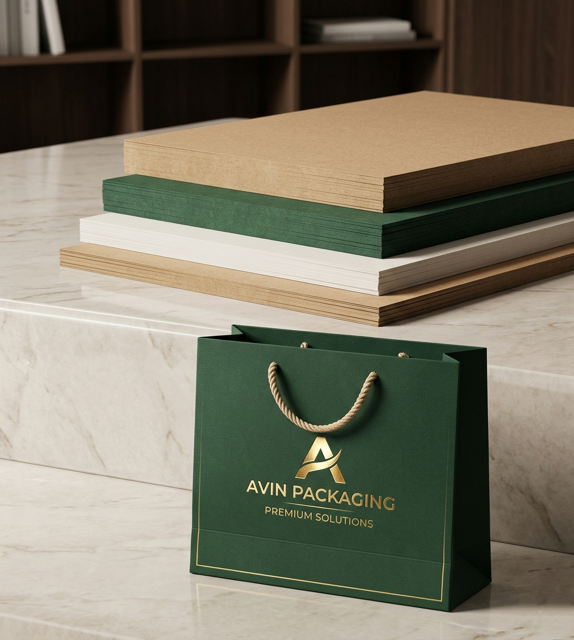
True structural engineering extends far beyond the paper sheet itself; it relies heavily on reinforced stress points to ensure long-distance survival. Elite paper bags feature thick, structural base cards and top-rim reinforcements glued seamlessly into place using water-based, eco-friendly adhesives. When paired with heavy-duty cotton rope or premium satin ribbon handles that are manually hand-knotted into the bag, the packaging becomes a highly secure transport system. This sophisticated engineering guarantees that luxury goods remain fully protected during transit from the boutique counter to the client’s home.
5: Precision Branding with Eco-Luxury Finishes
Transitioning to sustainable paper does not mean a brand has to sacrifice its premium visual identity. Unlike plastic, which often limits high-end printing options, high-GSM paper serves as a flawless canvas for complex, luxurious finishing elements. Advanced manufacturing techniques allow for immaculate hot metallic gold-foil embossing, sharp debossing, and targeted spot UV texturing on uncoated natural Kraft papers. These elite techniques create a striking, high-contrast aesthetic that commands attention on the high street, transforming a simple shopping bag into a moving billboard for the brand.
6: Industrial Protection with Advanced Corrugated Boxing
The shift from plastic to paper isn’t limited to consumer-facing shopping bags; it is equally vital in industrial transit packaging. Securing long-distance ocean freight requires moving away from plastic stretch wraps and flimsy storage bins toward robust, heavy-duty paper engineering. Utilizing specialized 7-ply corrugated master boxes ensures that high-volume cargo is shielded from the immense physical pressures of ocean container stacking. These multi-layered paperboard structures absorb impacts, resist humidity fluctuations during sea transit, and keep the luxury retail goods inside perfectly pristine and undamaged.
7: Frictionless Customs and Environmental Compliance
International trade demands absolute adherence to destination port regulations, which are notoriously strict regarding raw material sources. True eco-luxury paper manufacturing relies exclusively on transparent supply lines, tracking paper pulp directly to certified, responsibly managed forests. Furthermore, by ensuring that all production inks are non-toxic and water-based, and that shipping elements like wooden pallets undergo rigorous heat treatments, goods pass through international port authorities seamlessly. This strict focus on chemical and environmental compliance eliminates the risk of unexpected customs delays or costly cargo impoundments.
8: Securing the Supply Chain Through Singapore Governance
Operating a successful cross-border transition from plastic to paper ultimately requires absolute financial and contractual security. While physical manufacturing leverages highly efficient industrial zones, routing all corporate legal frameworks and invoicing through a highly regulated, tier-1 financial hub like Singapore provides international buyers with total peace of mind. Binding agreements under Singapore Corporate Law guarantees transparent escrow services, seamless multi-currency routing, and protected intellectual property. This unique combination of heavy-duty industrial output and premium legal safety establishes an unbreakable, world-class supply chain for global brands.